NFPA 211 Certified · Level I & II Inspections · Creosote Removal

Chimney Sweeping & Inspections in Bucks & Montgomery County, PA

Annual chimney sweeping and inspection in Bucks County and Montgomery County, PA is the removal of creosote deposits, debris, and obstructions from the flue, combined with a systematic assessment of the chimney's structural and functional condition. Pennsylvania's cold winters drive heavier creosote accumulation than warmer states — NFPA 211 mandates annual sweeping for any chimney in active use, and the condition is explicit in most stainless liner manufacturer warranties.

Why Pennsylvania Wood-Burners Face Higher Creosote Risk Than Other States

Creosote forms when wood combustion gases cool before fully oxidizing — and Pennsylvania winters are uniquely effective at making that happen. Bucks County and Montgomery County homeowners typically begin burning fireplaces in October and continue through March, with the coldest months driving the greatest creosote accumulation risk.

Three factors combine to make PA chimneys particularly vulnerable. First, cold outdoor temperatures cool the flue gases rapidly on their way up an exterior or partially exterior chimney stack. Second, many older Bucks County colonials have oversized clay tile flues — built to the proportions of open-hearth fireplaces from the 18th century — that slow gas velocity in modern fireplace inserts, giving gases more time to cool and condense. Third, the regional preference for hardwood species like oak and cherry, while excellent fuels when properly seasoned, produce denser smoke than softwoods and deposit more condensate per cord burned.

The result: a Bucks County fireplace in regular winter use can accumulate Stage 2 or Stage 3 creosote within a single heating season if the wood is not fully seasoned (less than 20% moisture content) or if the damper is operated partially closed to reduce heat output — a common habit that starves the fire of combustion air and dramatically increases creosote production.

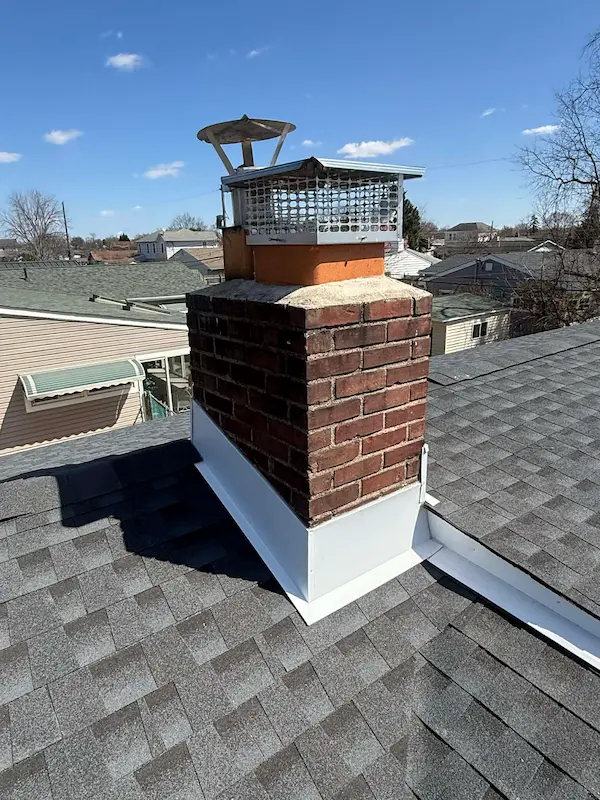
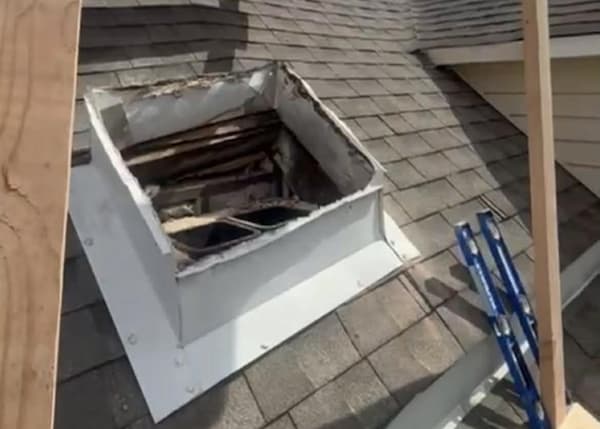
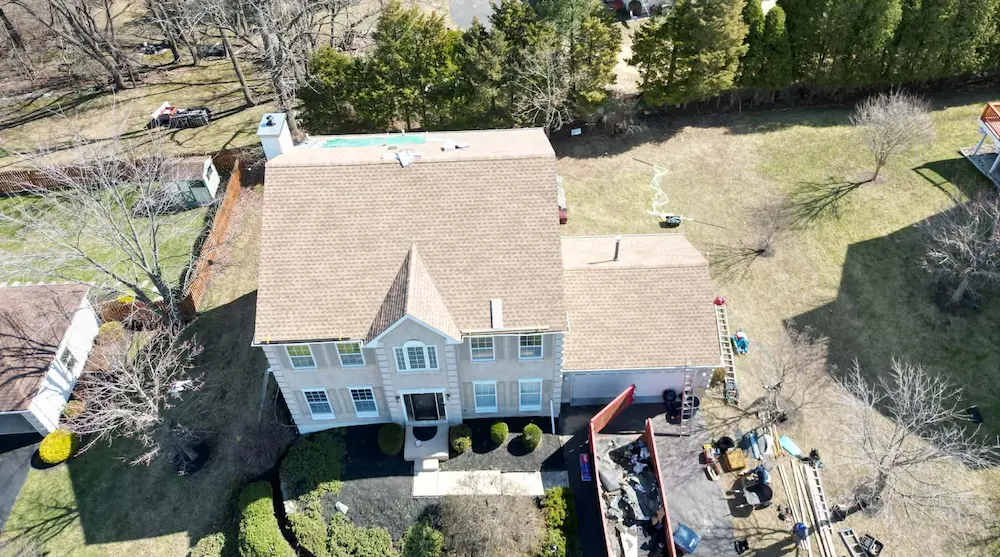
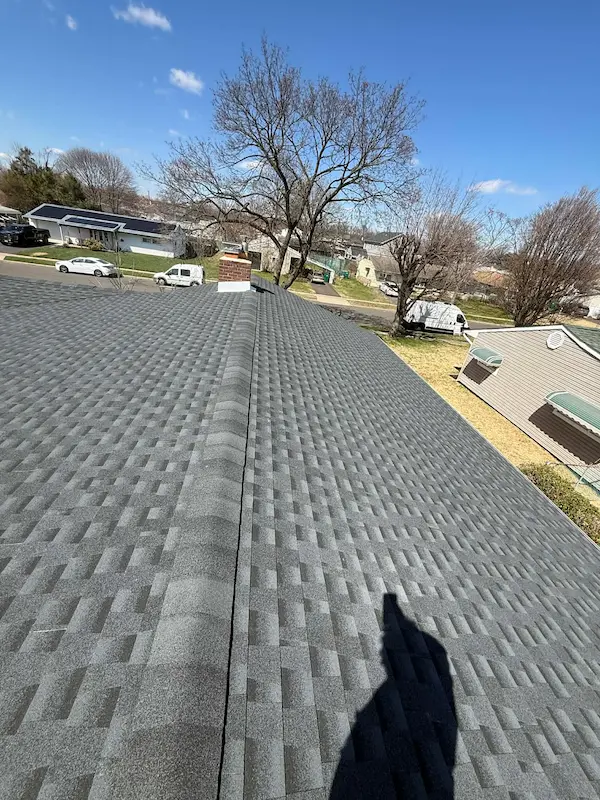
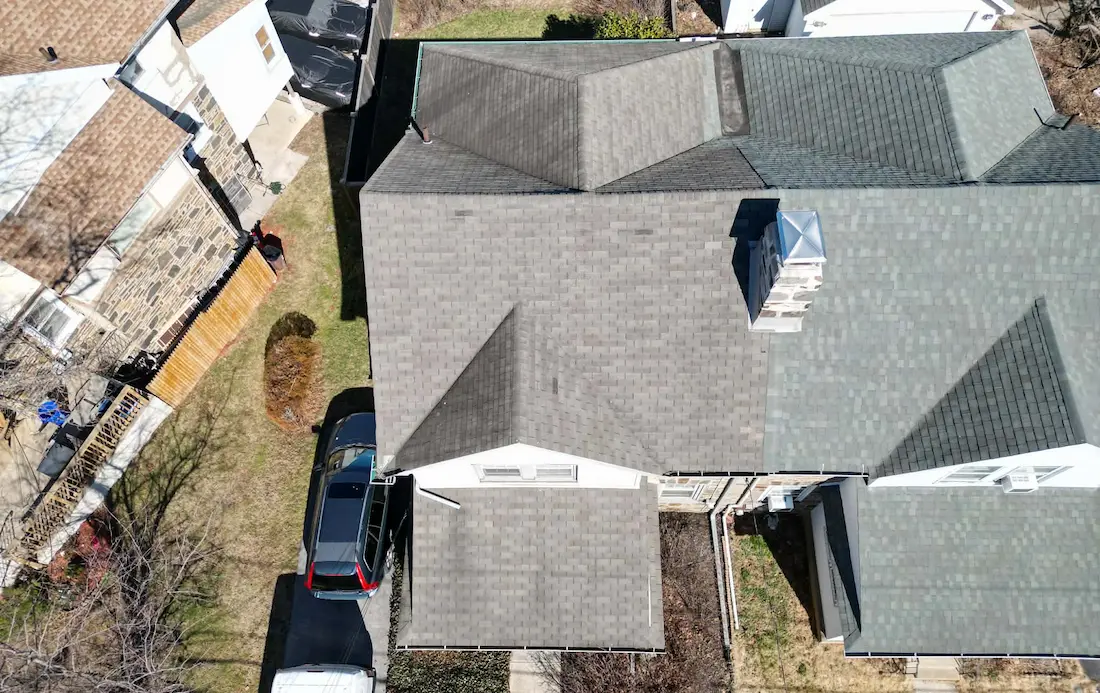
Chimney sweeping and NFPA 211 inspection in Bucks County, Pennsylvania

Level I vs. Level II: Which Inspection Does Your Chimney Need?

The NFPA 211 inspection classification system exists because different situations warrant different levels of scrutiny. Understanding which level applies to your situation prevents both under-inspection (missing a hidden hazard) and over-spending (paying for invasive work you do not need).

Level I is appropriate for chimneys that have been in continuous use with the same appliance and fuel type, with no changes to the system and no known incidents. It covers all accessible portions of the chimney interior and exterior and is sufficient for the annual maintenance inspection required by NFPA 211. Cost: $150–$250.

Level II includes everything in Level I plus a full video camera scan of the entire flue. It is required by NFPA 211 in four specific situations: when a property changes ownership, after any chimney fire (even a small one), when changing fuel type or appliance, and when any part of the chimney has been rebuilt or altered. In practice, Right Deal Construction recommends a Level II for any Bucks County or Montgomery County chimney that has not had a camera inspection in the past 5 years, regardless of apparent condition — liner cracks are invisible without camera access. Cost: $250–$400.

Pre-Sale Chimney Inspections: What Bucks County Home Buyers and Sellers Need to Know

Chimney condition is one of the most common sources of real estate transaction delays in Bucks County and Montgomery County. Standard home inspections do not include Level II camera scans — meaning buyers routinely discover cracked liners, Stage 3 creosote, or failed flashing after closing, leading to repair disputes, escrow holds, and occasionally litigation.

Right Deal Construction provides pre-sale Level II inspection reports formatted specifically for real estate disclosure. The report includes: digital photos of all findings, NFPA 211 condition classification, a written repair scope with cost range, and a certification statement suitable for inclusion in the seller's disclosure package. Sellers who obtain this report before listing avoid the negotiating disadvantage of a buyer discovering chimney issues mid-contract. Buyers who require it as a contract contingency protect themselves from inheriting deferred maintenance on a system that can cost $5,000–$15,000 to restore.

Reports are typically delivered within 48 hours of the inspection visit and are accepted by real estate attorneys, title companies, and home inspection review boards throughout Bucks and Montgomery County.
Step by Step

Our Installation Process

  1. Exterior & Roofline Assessment

    We begin at the roof: inspecting the crown, cap, counter flashing, and the top 3–4 courses of masonry for visible cracking, displacement, or efflorescence before entering the home. Roof-level conditions are photographed for the inspection report.

  2. Firebox & Smoke Chamber Inspection

    From inside, we inspect the firebox for cracked firebrick, deteriorated refractory panels, a functional damper, and smoke chamber parging integrity. Creosote deposit classification (Stage 1 light brush-removable, Stage 2 flaky, Stage 3 glazed) is assessed and documented.

  3. Rotary Brush Sweep

    A rotary chimney brush sized to the flue is run the full length from the top down, dislodging creosote and debris. Dust is contained using drop cloths and a firebox vacuum seal. All debris is collected and bagged — nothing is left in the firebox or on the hearth.

  4. Level II Camera Scan (When Applicable)

    For Level II inspections, a calibrated video camera is lowered the full flue length, recording liner condition, offset geometry, and any cracks, missing mortar, or obstructions. Footage is reviewed on-site and key frames are captured for the written report.

  5. Damper & Draft Test

    The damper is tested through its full range of motion and its seal integrity is checked with a smoke pencil. Draft is assessed by feel and, where a gas appliance is present, with a digital manometer. A damper that seals poorly adds $200–$500 per year in heating costs on Bucks County homes.

  6. Written Report & Findings

    You receive a written inspection report with photos, creosote classification, liner condition notes, and any recommended repairs. Reports are written to NFPA 211 standards and are accepted by insurance carriers, home buyers, and Bucks County and Montgomery County municipal inspectors.

Typical Investment

What Does It Cost?

$150 – $400

Annual sweep with Level I inspection averages $150–$250 in Bucks County. Level II camera inspection costs $250–$400. Pre-sale inspection reports with written NFPA 211 findings are $300–$450. Multiple-flue discounts available. No hidden fees — quoted price covers the complete service.

Prices vary by square footage, roof pitch, material selection, and existing damage. All estimates are free and provided on-site.

1 Year

Backed by Our Guarantee

NFPA 211 Compliant Inspection Report

Every inspection performed by Right Deal Construction produces a written NFPA 211-compliant report with photos, creosote classification, liner condition notes, and repair recommendations. Reports are valid for 12 months for insurance and real estate purposes and are accepted by home buyers, sellers, attorneys, and municipal inspectors across Bucks County and Montgomery County, PA.

What Homeowners Say

Real Reviews from Real Neighbors

Choosing a roofer that is reputable, fairly priced, and manufacturer certified were my top priorities, and Right Deal Construction & Roofing is an amazing business. I called on Labor Day because we just found a hole in the roof — they came out immediately.

Roofing

Aleks Bakiaj

Pennsylvania · October 2025

Competitive pricing. Excellent service. Flavio was our rep and was very professional in his presentation to explain the process and materials. Installation crew was efficient and did a GREAT job. I highly recommend Right Deal Construction & Roofing.

Besnik Koldashi

Pennsylvania · July 2025

Right Deal Construction did a nice job on our roof storm repair. You can expect quality craftsmanship, along with the team working efficiently and very clean at a reasonable cost. I recommend Flavio and his team for your next project!

Roof storm repair Roofing

Mike

Warrington, PA · March 2026

Flavio was very easy to work with and completed the work thoroughly and with quality. He delivered on what was needed quicker than any contractor I've ever worked with. This was really helpful, as we needed some roof work done.

Roof repair

Jules Malice

Pennsylvania · December 2025

Proof of Quality

Have Questions?

Frequently Asked Questions

How often should a chimney be swept in Pennsylvania?

NFPA 211 — the National Fire Protection Association standard adopted by Pennsylvania — requires that chimneys, fireplaces, and vents be inspected at least once per year and cleaned when deposits reach 1/8 inch. In practice, Bucks County and Montgomery County homeowners who burn wood regularly should sweep annually in late summer or early fall before the heating season begins. Gas fireplace users should inspect annually even without visible deposits, as gas combustion still produces acidic condensate that degrades clay tile liners over time.

What is the difference between a Level I, Level II, and Level III chimney inspection?

Level I is a visual inspection of accessible portions of the chimney interior and exterior — appropriate for chimneys that have been used without changes and show no signs of problems. Level II includes a video camera scan of the full flue length and is required whenever you buy or sell a home, after any chimney fire, or when changing fuel type or appliance. Level III is invasive — it involves removing portions of the chimney structure to access areas not otherwise reachable — and is only performed when Level II findings indicate a serious hidden hazard. Right Deal Construction performs Level I and Level II inspections; Level III findings are documented and scoped with a full repair proposal.

Can I burn wood in my chimney if I have not swept it in several years?

We strongly advise against it. A chimney that has not been swept in 2–3 years of regular use may have Stage 2 or Stage 3 creosote accumulation — the glazed, tar-like deposit that burns at temperatures exceeding 2,000°F. A chimney fire in a creosote-laden flue can crack clay tile liners, ignite surrounding framing, and spread to the roof structure. Pennsylvania's cold-weather burning habits accelerate creosote formation compared to warmer climates. An annual $150–$250 sweep is insurance against a $10,000–$50,000 chimney fire and structure repair.

Do I need a chimney inspection when buying a home in Bucks County?

Yes — and a Level II inspection specifically. Standard home inspection reports cover the visible exterior of the chimney but do not include a camera scan of the flue interior. Cracked clay tile liners, Stage 3 creosote deposits, and improperly sized flues are invisible to a standard home inspector. NFPA 211 requires a Level II inspection whenever a property changes hands. Right Deal Construction provides pre-sale Level II inspection reports that are accepted by home buyers, sellers, and real estate attorneys across Bucks County and Montgomery County.

How much does a chimney sweep and inspection cost in Bucks County, PA?

An annual chimney sweep combined with a Level I inspection typically costs $150–$250 in Bucks County. A Level II inspection with video camera documentation costs $250–$400 depending on chimney height and number of flues. Pre-sale inspection reports with written findings are $300–$450 and include digital photo documentation suitable for real estate disclosure. There are no hidden fees — the quoted price covers the complete service.

Ready to Protect Your Home?

Licensed, insured, and GAF certified. Serving Bucks County & Montgomery County, PA.

Call Now Get a Free Estimate